Digital Library
-
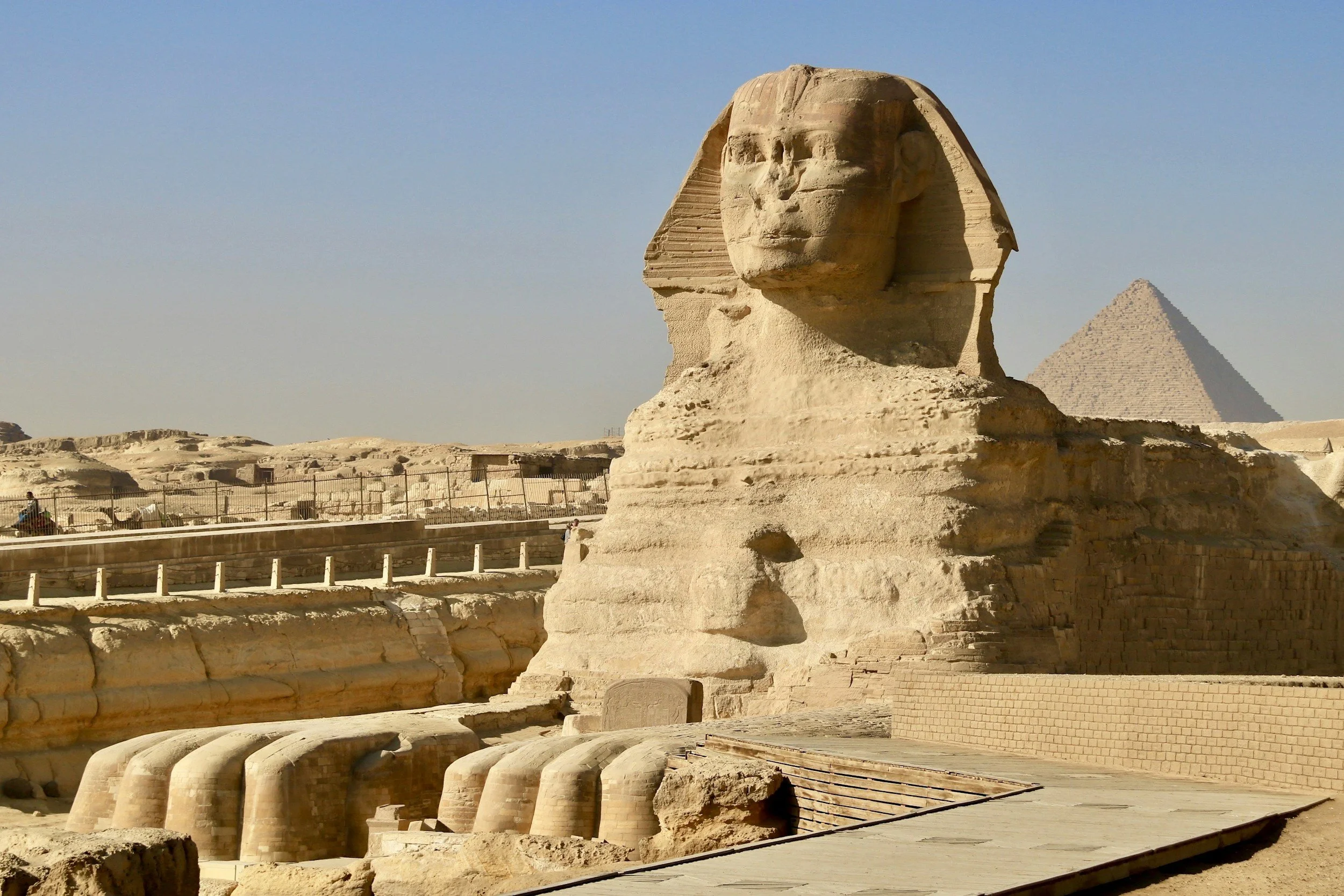
The Great Sphinx
The great sphinx is one of the oldest and biggest statues in the world. It was carved out of one limestone and is missing its nose and stone beard. It measures 20 meters tall and 73 meters long. It faces east, the direction of the rising sun, and it has a stone between its giant paws, with the story of Prince Thutmose carved on it, an Egyptian myth.
-
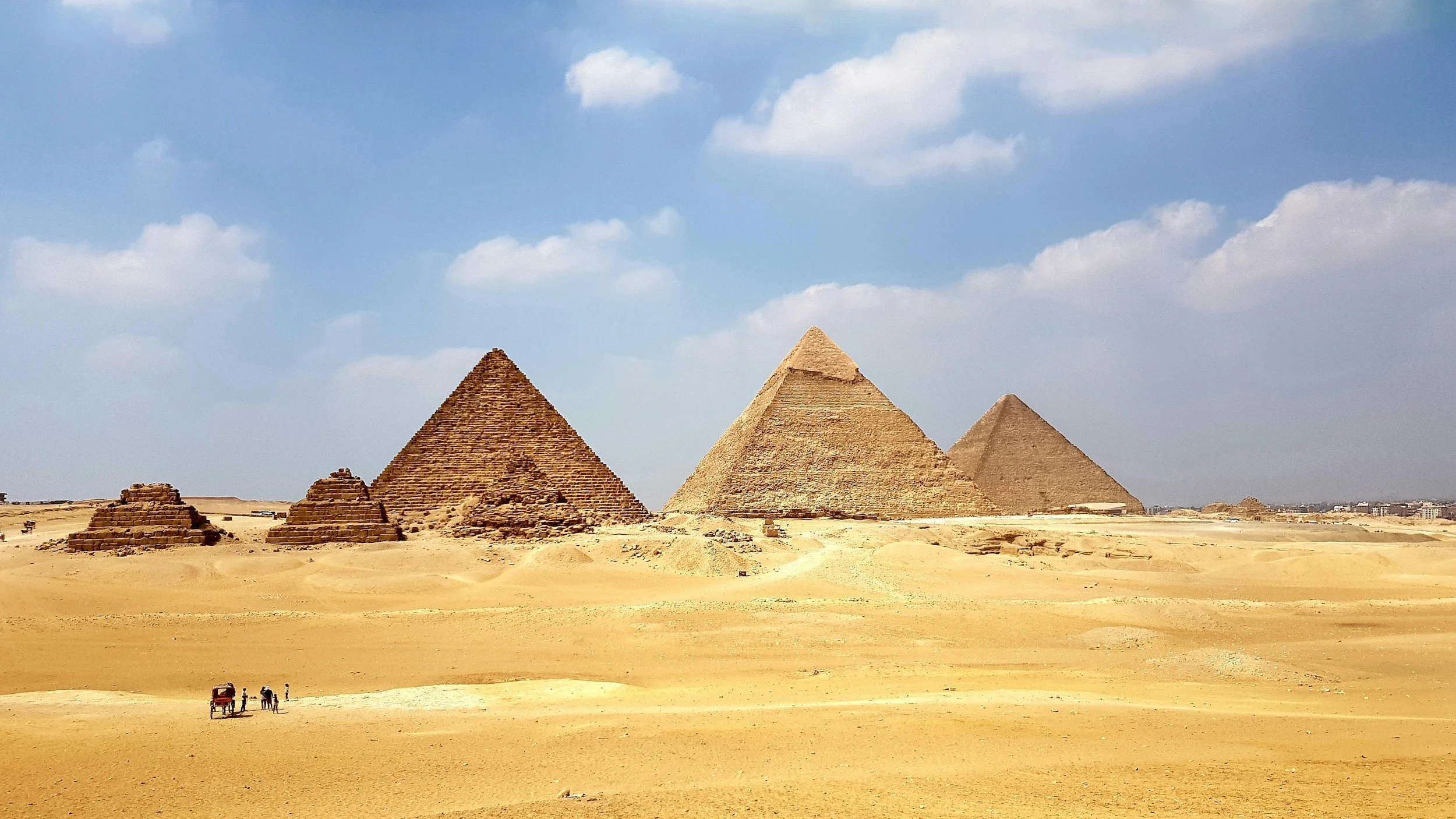
The Great Pyramids of Giza
Some of the biggest pyramids lie in Giza, including the Great Pyramid. It was built for King Khufu, and the other two were built for the pharaohs Khafre and Menkaure. It is one of the seven wonders of the ancient world and the only one still standing. It is 146.5 meters tall and covers 13.6 acres.
-
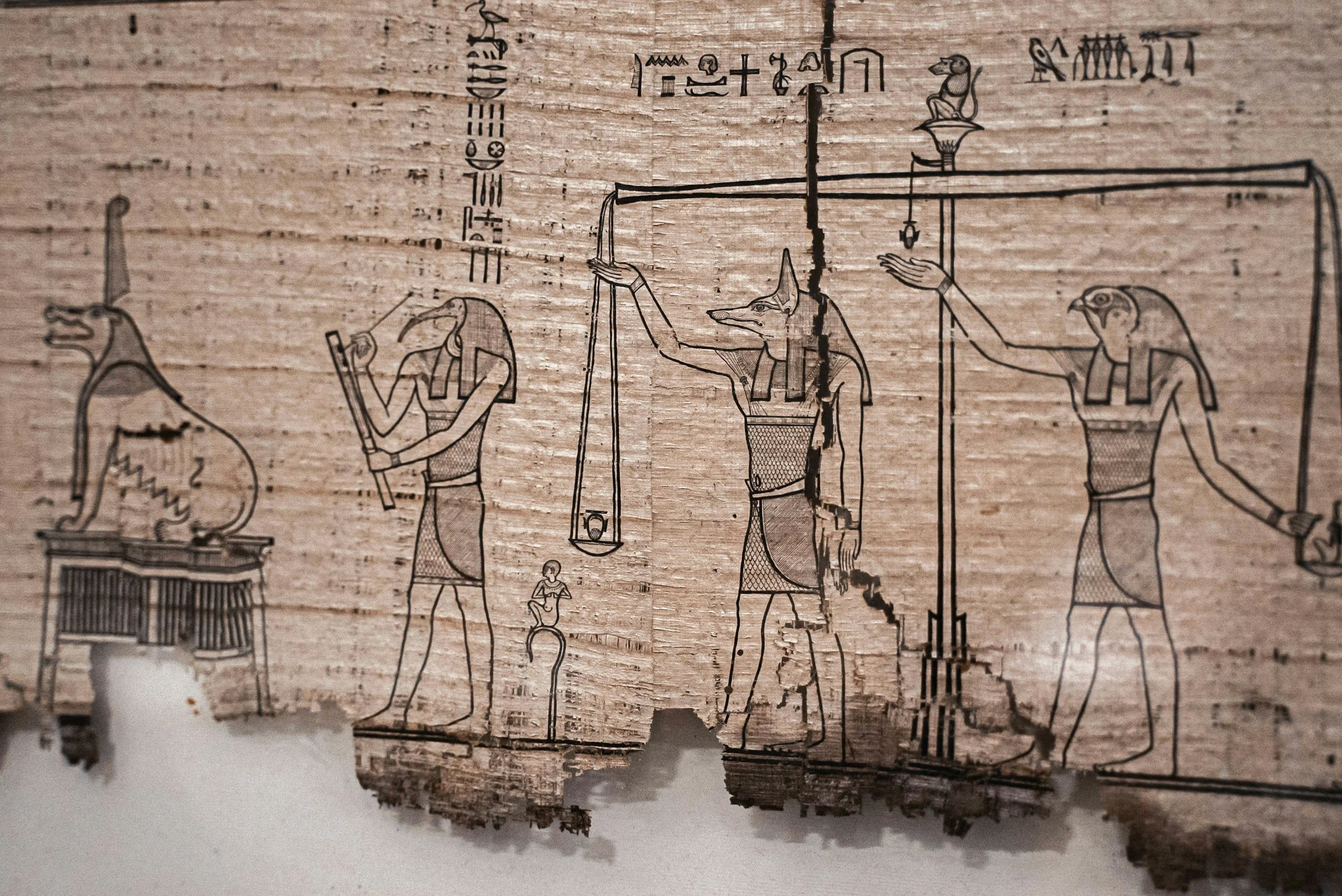
Papyrus
The paper of Ancient Egypt, made from Papyrus reeds that grew along the bank of the Nile River. It was used for writing, making art, and was very useful for the Ancient Egyptians to document down their myths, life, and stories.
-
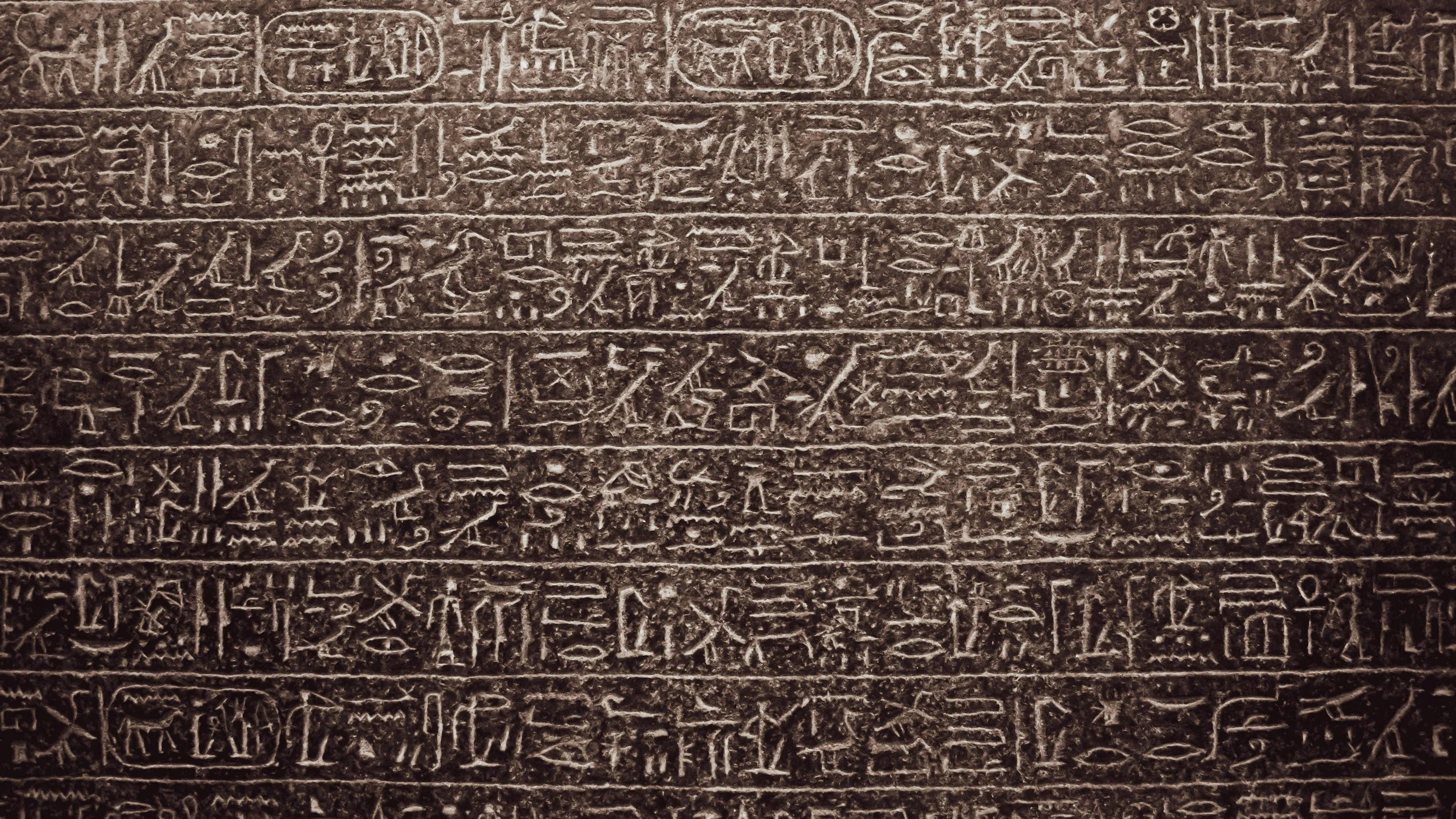
Hieroglyphs
The most famous form of Egyptian scripture, Hieroglyphs were known as “holy writing” and were believed to be “invented by the gods.” It was one of the oldest writing systems in the world. There were more than 700 different Hieroglyphs.
-

The Rosetta Stone
The Rosetta Stone was discovered in 1799 by french soldiers. It was inscribed in three different languages- Ancient Greek and Demotic, which scientists could read, and Hieroglyphs. in 1808, a scientist named Jean-Francois Champollion studied a copy of the stone. He deciphered the Hieroglyphs using his knowledge of the other two languages, and thus our understanding of Hieroglyphs was born.
-
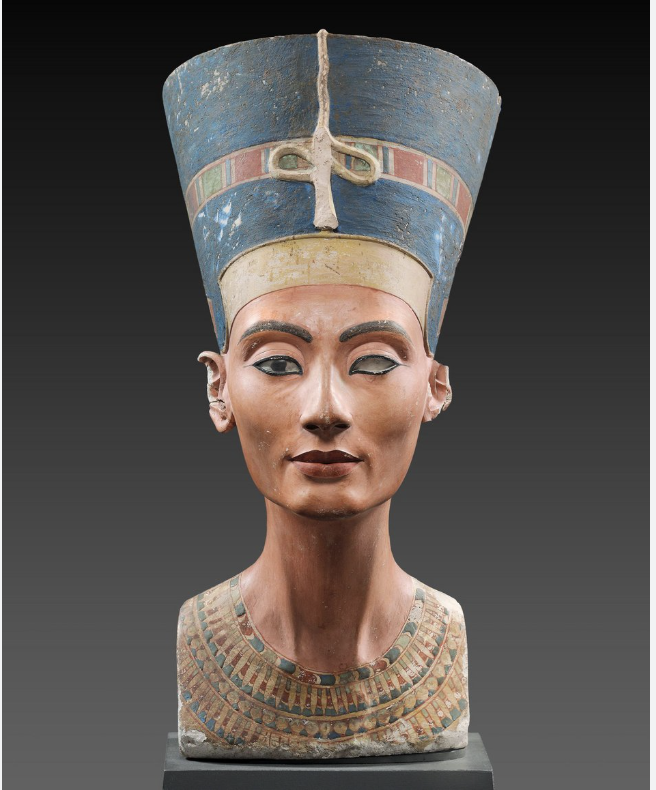
Bust of Nefertiti
The Bust of Nefertiti, made c.1345 BCE by Thutmose, is famed for its realism, balanced proportions, and graceful neck. Found in 1912 at Amarna, the painted limestone portrait—noted for its blue crown and symmetrical face—symbolizes ancient Egyptian artistry and feminine power. Despite disputes over its ownership and removal, it remains a renowned masterpiece.
-
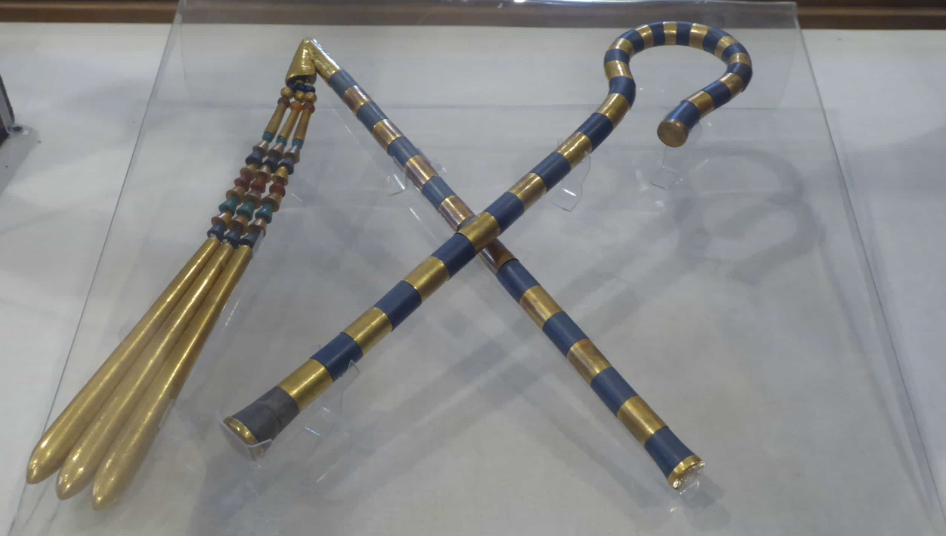
Crook & Flail
The crook (heka) and flail (nekhakha), often crossed on pharaohs’ chests in art and funerary statues, symbolize royal authority and dual duties: the crook as protector and guide, the flail as provider and disciplinarian controlling fertility and order. Together they express the ideal balance of benevolence and firmness in Egypt’s divine ruler and feature in coronation and funerary imagery.
-
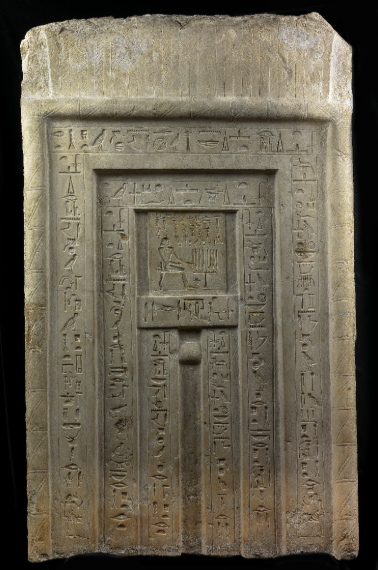
False Doors
Egyptian false doors—stone or wood panels in tomb chapels—served as thresholds for the deceased’s ka. Inscribed and often painted with names, titles, prayers, offering formulas, and likenesses, they fused architecture and ritual. Placed on the cemetery side of the offering chamber, they marked where offerings and rites reached the dead. From simple recessed slabs in the Old Kingdom to later framed compositions, their form changed but their role as an interface between life and afterlife stayed constant.
-
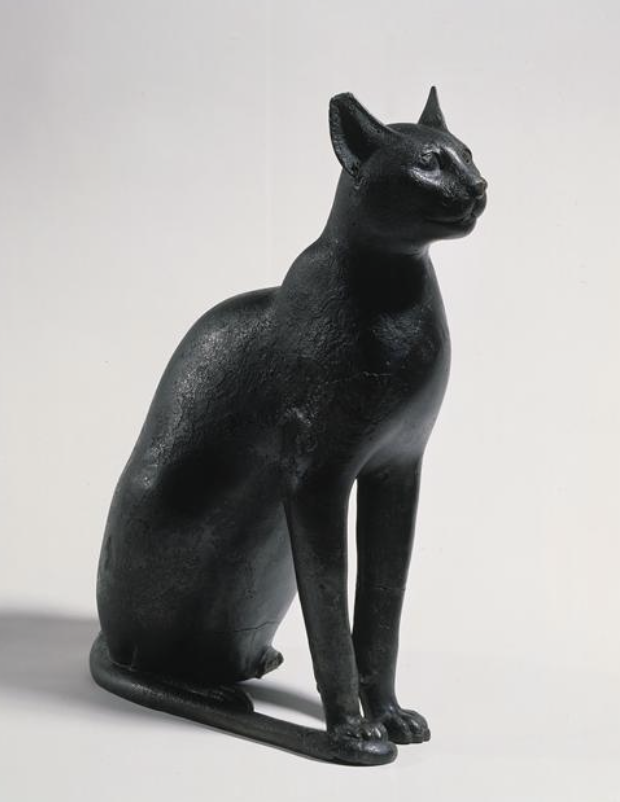
Egyptian Cat Statue
Egyptian cat statues, often depicting the goddess Bastet, were crafted from materials like bronze, alabaster, and faience and placed in homes and temples as symbols of protection, fertility, and domestic harmony; their poised, alert forms and stylized features reflect ancient Egypt’s reverence for cats as both sacred guardians and companions.
-
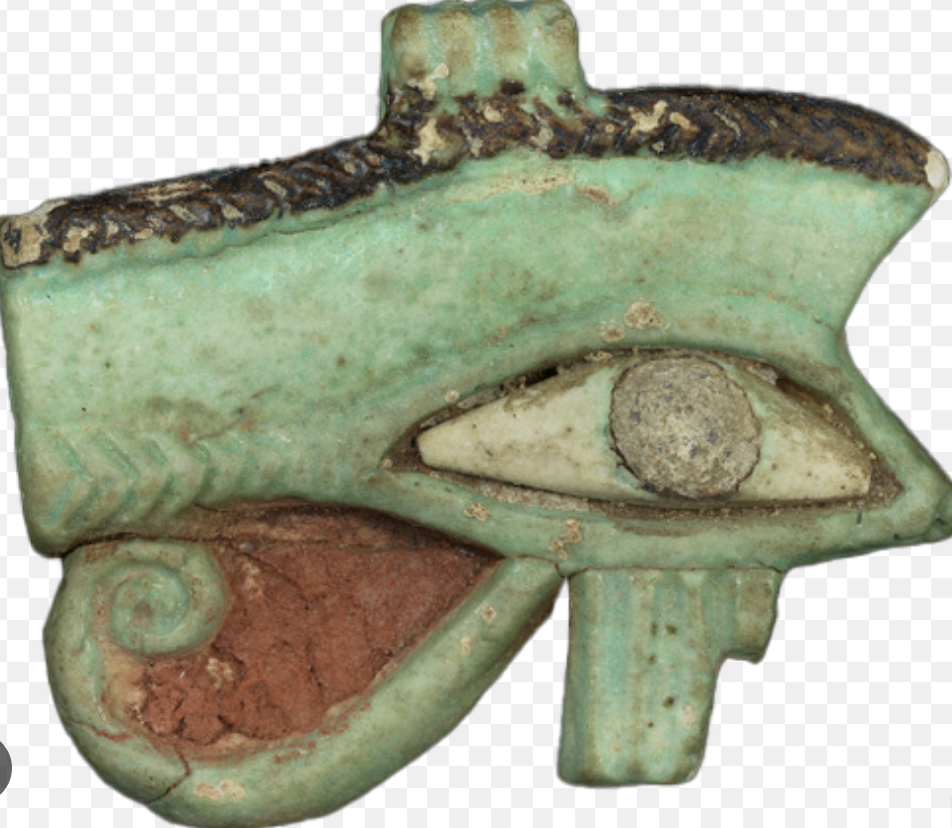
Eye of Ra
The Eye of Ra: an ancient Egyptian emblem of power and protection. It embodies the sun god Ra’s all-seeing, life-giving gaze—warding off chaos, healing the land, and enforcing justice. Shown as a radiant eye or solar disk with a cobra, it fuses fierce guardianship with divine warmth, symbolizing light, vigilance, and sovereign protection across art, amulets, and temples.
-
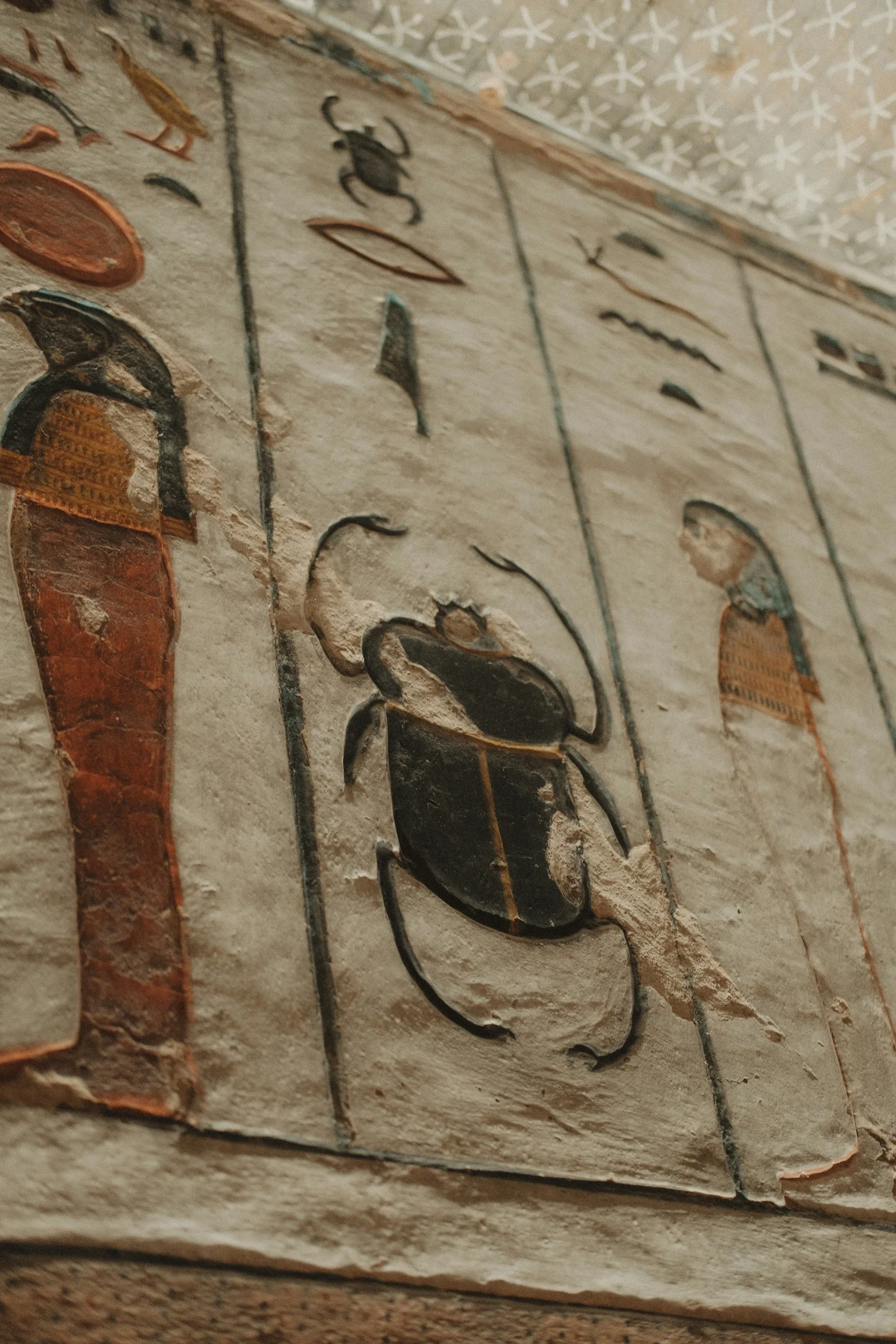
Scarab Beetle
The Egyptian scarab—modeled on the dung beetle—symbolizes renewal, protection, and life's cycle. Linked to Khepri, the morning sun god, it represented rebirth as he rolled the sun each dawn. Scarab amulets brought luck, safe passage to the afterlife, and were used as seals or placed over the heart to ensure resurrection. As a motif, it combines natural observation with spiritual meaning: transformation, guardianship, and new beginnings.
-
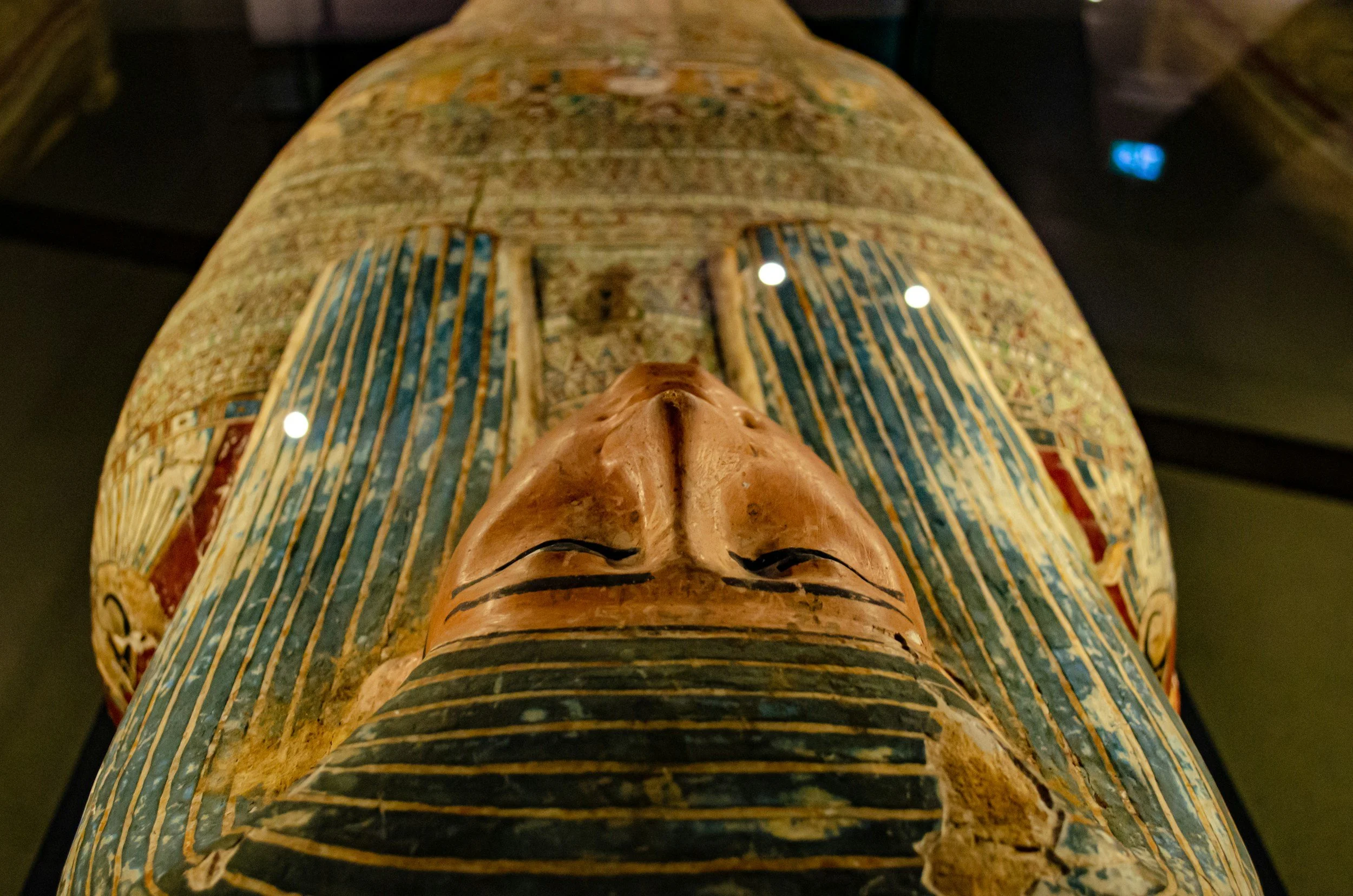
Mummies
Egyptian mummies are human remains preserved via elaborate burial rituals to ensure an afterlife. Embalmers removed organs, dehydrated bodies with natron, and wrapped them in linen, adding amulets, Book of the Dead spells, and grave goods. Royals received painted coffins, masks, and decorated sarcophagi; commoners had simpler treatment. Beyond religion, mummies offer modern science insights into health, diet, disease, and ancient surgery, and they endure as symbols of belief and craftsmanship.
-
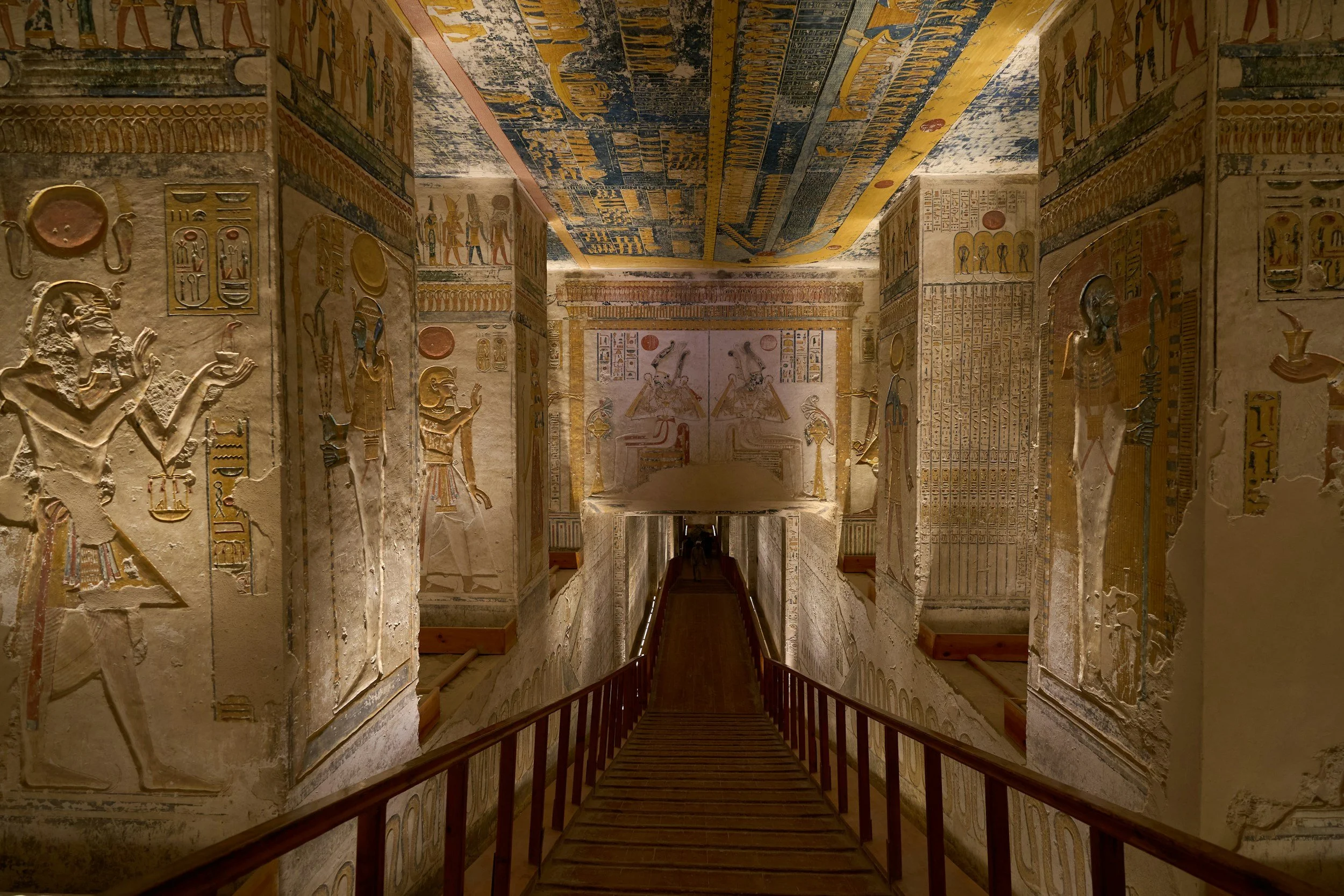
Egyptian Temples
Ancient Egyptian temples were stone gateways between earth and the divine—houses for gods, sites for offerings and rites, and stages of cosmic renewal. From grand pylons and obelisks to inner sanctuaries, they bore carved reliefs and vivid paintings of myth, pharaohs, and nature. Massive columns and hypostyle halls played light and shadow; alignments with stars and the Nile anchored communal life, affirmed royal power, and preserved sacred knowledge. Even ruined, their scale and symbolism evoke the Egyptians’ quest to link human and eternal.
-
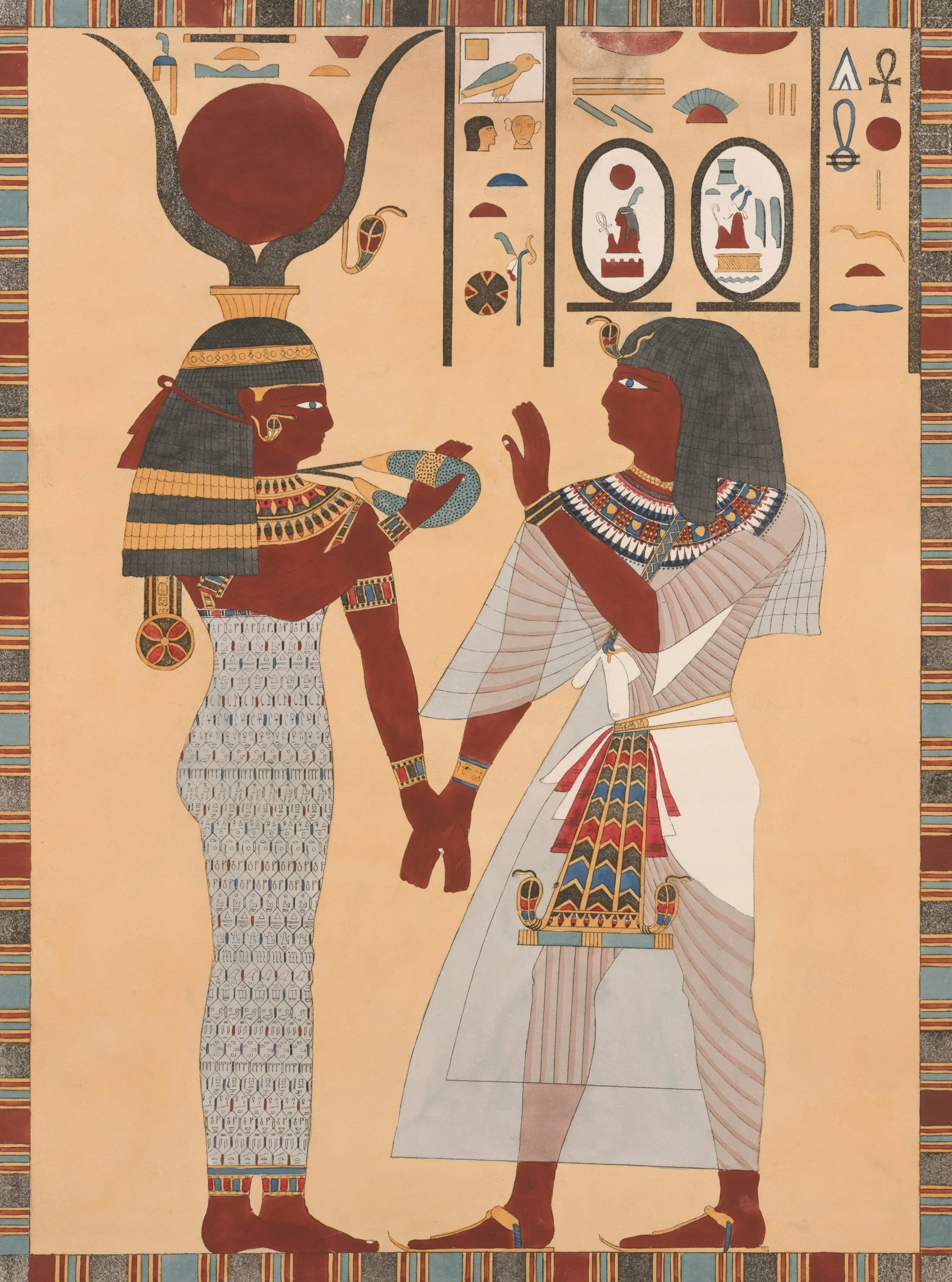
Egyptian Drawings
Ancient Egyptian art uses vivid, precise imagery to blend religion, everyday life, and the afterlife. Following strict conventions—flat colors, clean lines, composite poses (profile head/legs, frontal torso)—it prioritizes clarity and symbolism over perspective. Found on tombs, temples, objects, and papyrus, images and hieroglyphs narrate gods, pharaohs, agriculture, crafts, and staged afterlife scenes. Colors carry meaning (red/ochre = life; blue/green = fertility; black = Nile soil/resurrection). Within rules, artists rendered elegant details in clothing, jewelry, plants, and animals. These works are aesthetic masterpieces and vital historical records that influence modern art and scholarship.
-
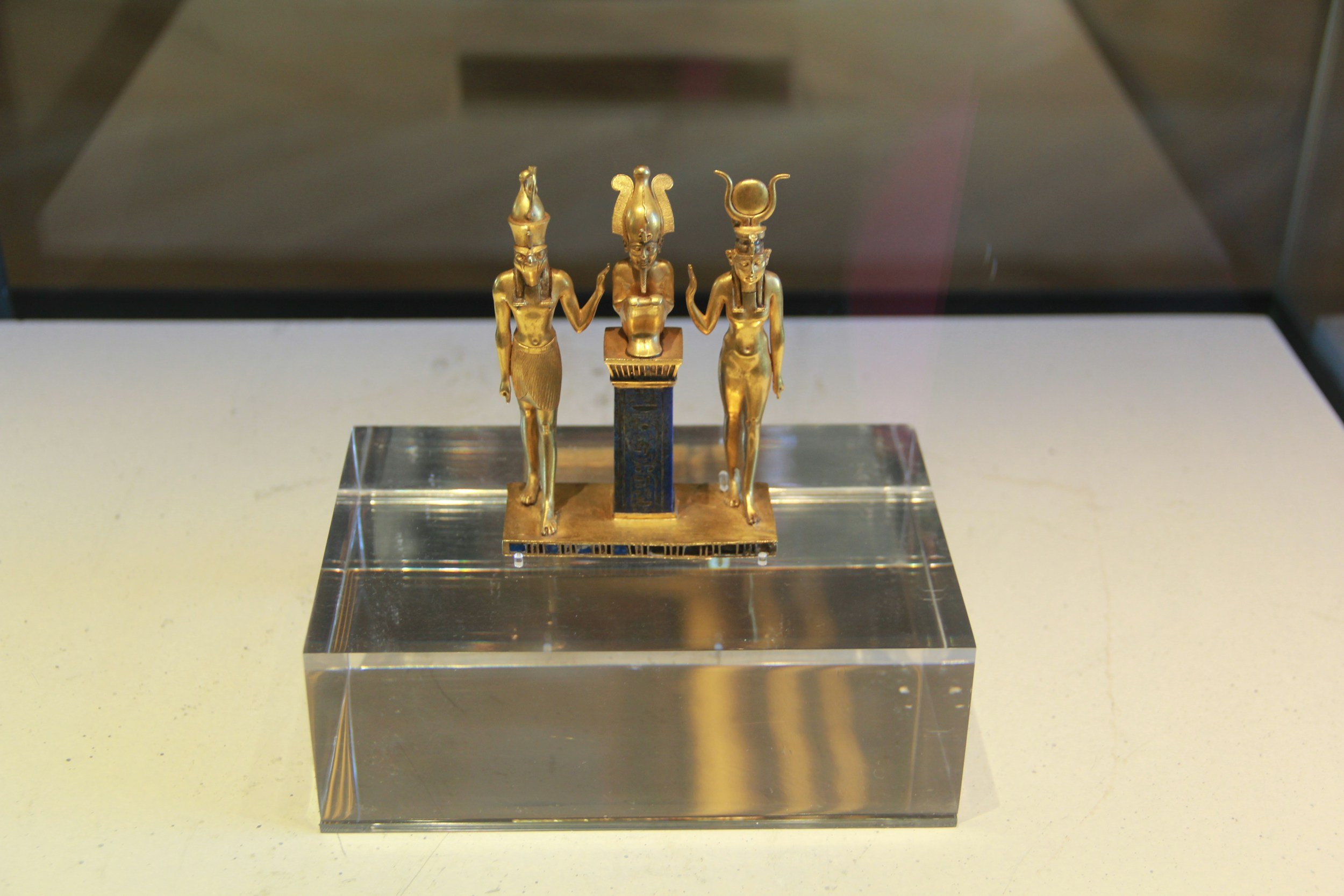
Egyptian Sculpture
Ancient Egyptian sculpture blends form, function, and faith. Carved stone, cast metal, and carved wood range from monumental temple and tomb statues to small funerary figurines. Figures are stylized and idealized—pharaohs shown youthful and upright to signal divinity, gods with symbolic attributes or animal heads, ordinary people in more natural poses. Symbolism dictates scale, pose, and detail: size shows importance, rigid frontal poses preserve visibility, and inscriptions tie image to identity and the afterlife. Within these rules, sculptors achieved subtle finish, proportion, and expression, conveying dignity, ritual meaning, and enduring order.