Egyptian Gods
-
![]()
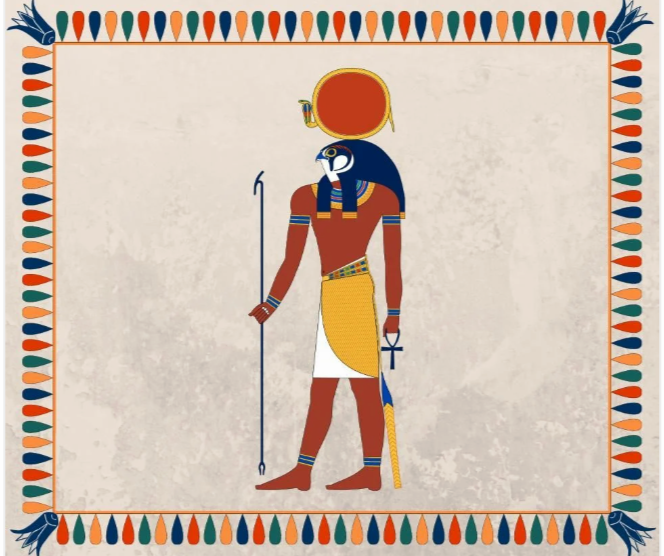
Ra
Ra, the ancient Egyptian sun god, is shown as a falcon-headed man with a solar disk, embodying light, warmth, and creation. Venerated from the Old Kingdom, he sailed the sky by day and crossed the underworld at night to renew life each morning. Later he merged with other deities—most notably Amun as Amun-Ra—becoming central to royal ideology and cosmic order.
-
![]()
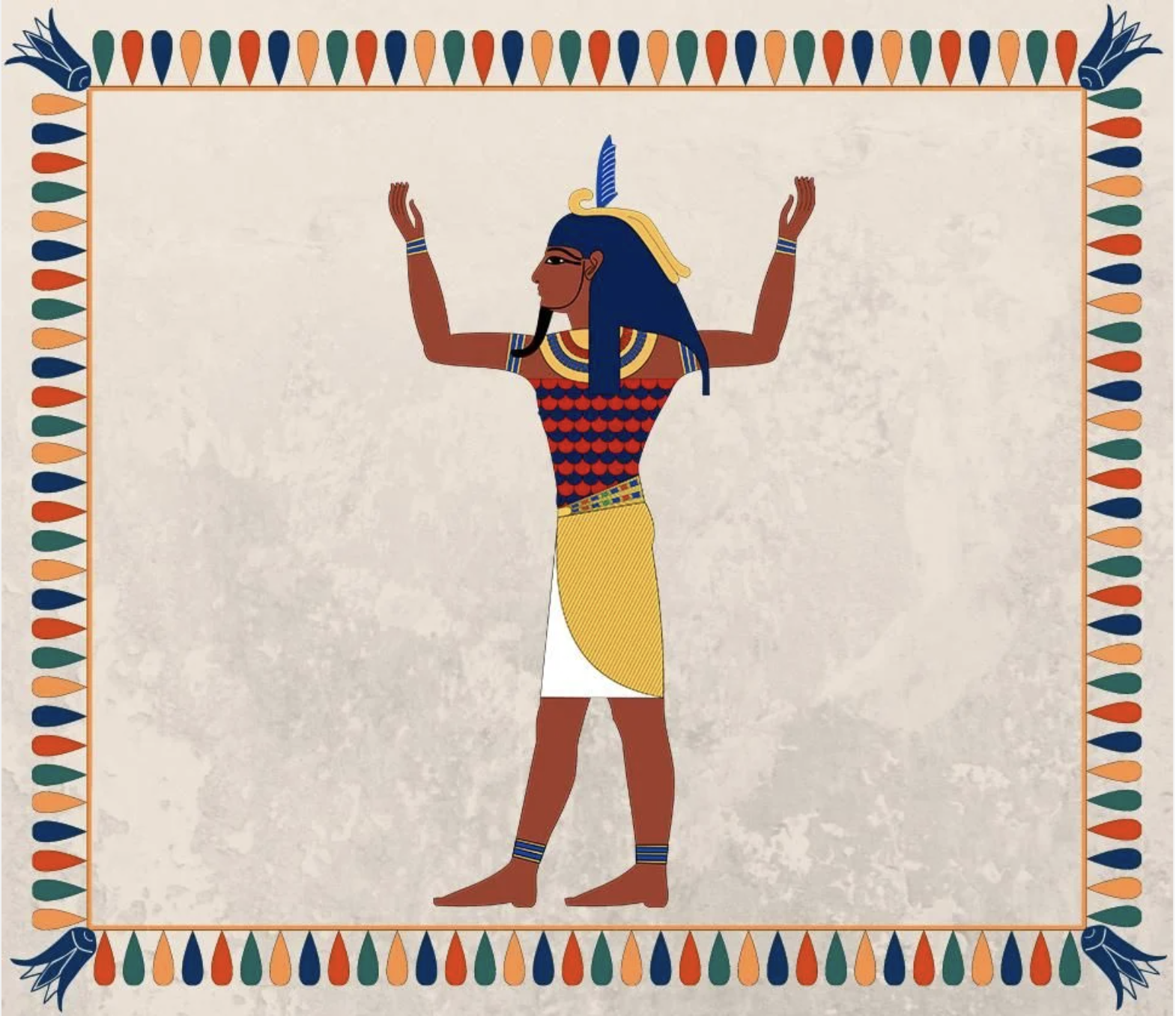
Shu
Shu, the ancient Egyptian god of the air, stands as the personification of wind, atmosphere, and the vital breath that separates sky from earth. Born of the primordial gods, he supports the sky goddess Nut above the earth god Geb, maintaining cosmic order and balance. Revered as a gentle yet essential force, Shu was invoked to sustain life, clarity, and the stability of the world.
-
![]()
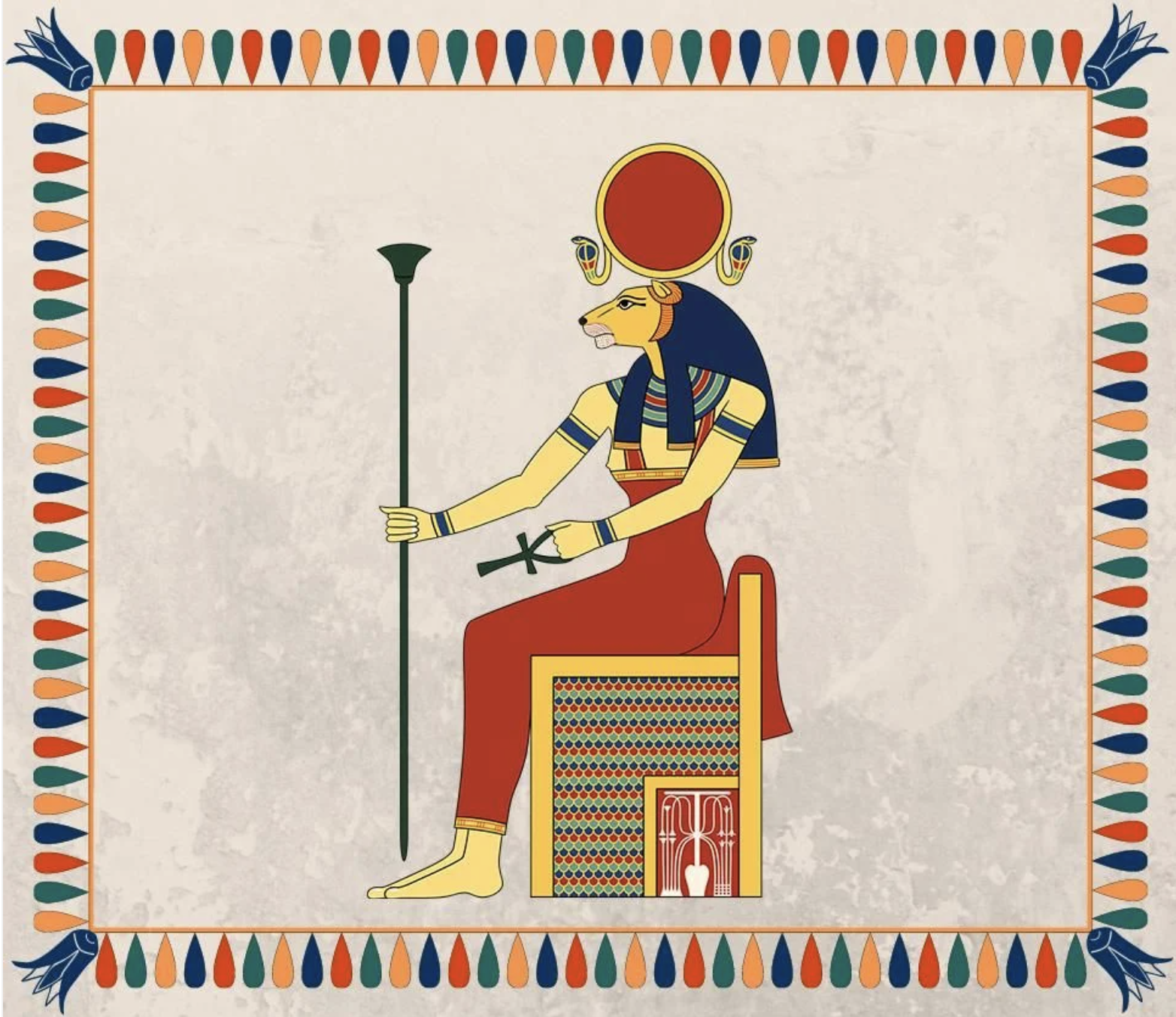
Tefnut
Tefnut, ancient Egyptian goddess of moisture, rain, and dew, is shown as a lioness or a woman with a lioness head. Daughter of Atum and, with Shu, mother of Geb and Nut, she maintained cosmic balance by controlling water and humidity. Revered as both nurturing and fierce, she embodied life-giving and cleansing powers vital to Egypt’s fertility.
-
![]()
Geb
Geb is the ancient Egyptian god of the earth, often depicted as a reclining man whose laughter causes earthquakes. Father of snakes and husband of the sky goddess Nut, he was central to myths about kingship and the ordering of the world. Worshiped throughout Egypt, Geb represented fertility, soil, and the stability that allowed crops and civilization to thrive.
-
![]()
Nut
Nut is the ancient Egyptian sky goddess, shown as a star-studded woman arched over the earth. She swallows Ra at dusk and births him each dawn, symbolizing renewal and life’s cycle. Mother of Osiris, Isis, Set, Nephthys (and sometimes Horus), she represents protection and rebirth; her image adorned coffins and tomb ceilings and was also shown as a cow or a celestial barque carrying the sun.
-
![]()
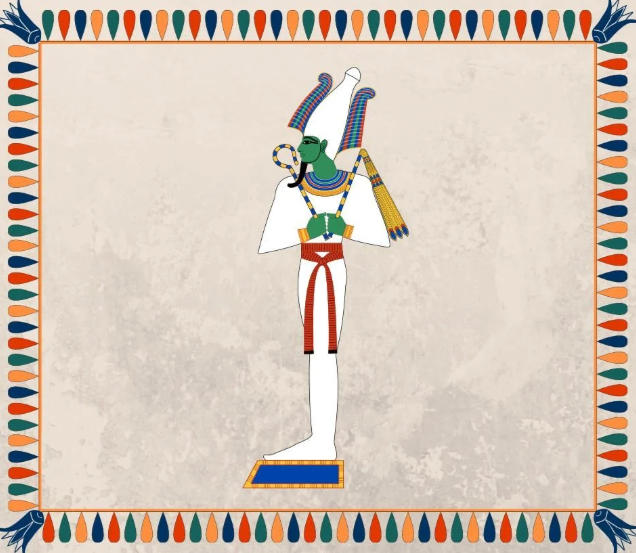
Osiris
Osiris, ancient Egyptian god of the afterlife, resurrection, and fertility, rules the underworld and judges the dead. Shown as a mummified king with crook and flail, he symbolizes renewal, eternal life, and the Nile’s cycles. Myths say he taught agriculture and civilization, died, and was reborn—making him a lasting symbol of hope and continuity.
-
![]()
Isis
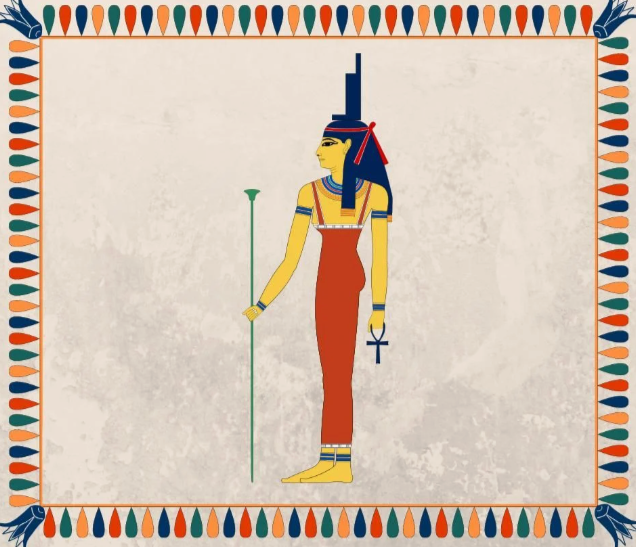
Isis was an ancient Egyptian goddess revered in the Nile Valley as a mother figure, healer, and protector symbolizing fertility, magic, and the throne. Her myths—resurrecting Osiris and safeguarding their son Horus—shaped royal ideology and popular religion in Egypt and later the Greco-Roman world. Temples, priesthoods, and widespread imagery kept her cult influential for centuries.
-
![]()
Nephthys
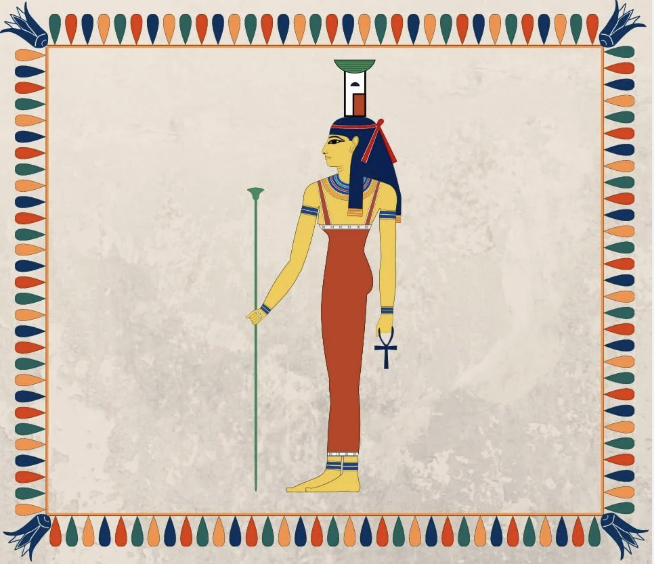
Nephthys, an ancient Egyptian goddess of protection, mourning, and night, is shown as a woman with her name’s hieroglyph or falcon wings. Sister of Isis and Osiris and wife of Set, she aided funerary rites, guiding and guarding the dead. Worshiped in temples and tombs, she embodies a protective guardian and the liminal power of darkness.
-
![]()
Seth
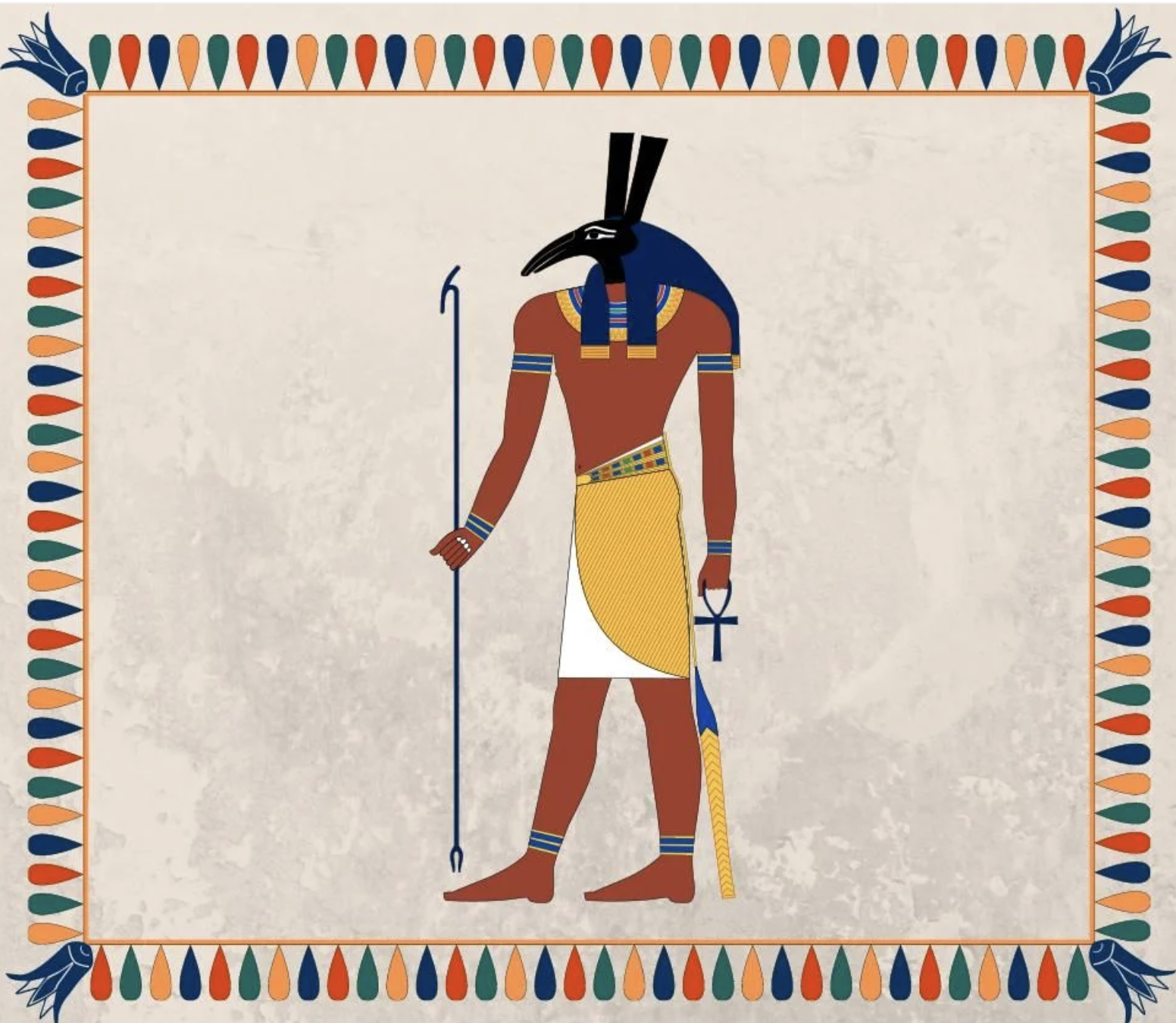
Seth, an ancient Egyptian god of chaos, storms, deserts and foreign lands, is shown with a composite "Seth animal" head. He embodies destructive force and necessary balance to order, famously battling and protecting the sun god Ra during nightly underworld journeys. His reputation shifted from respected protector of royal authority to a feared symbol of disorder and exile.
-
![]()
Horus
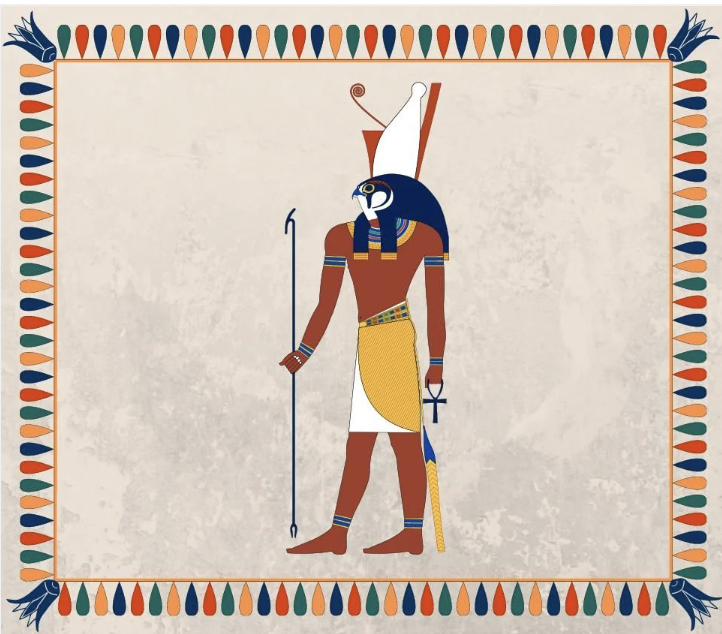
Horus, an ancient Egyptian sky god often shown as a falcon or a man with a falcon head, symbolizes kingship and divine protection. Son of Osiris and Isis, he avenged his father and became linked to Egypt’s pharaohs as their divine ruler. Worshiped for millennia, his myths and imagery shaped Egyptian religion, royal ideology, and art.
-
![]()
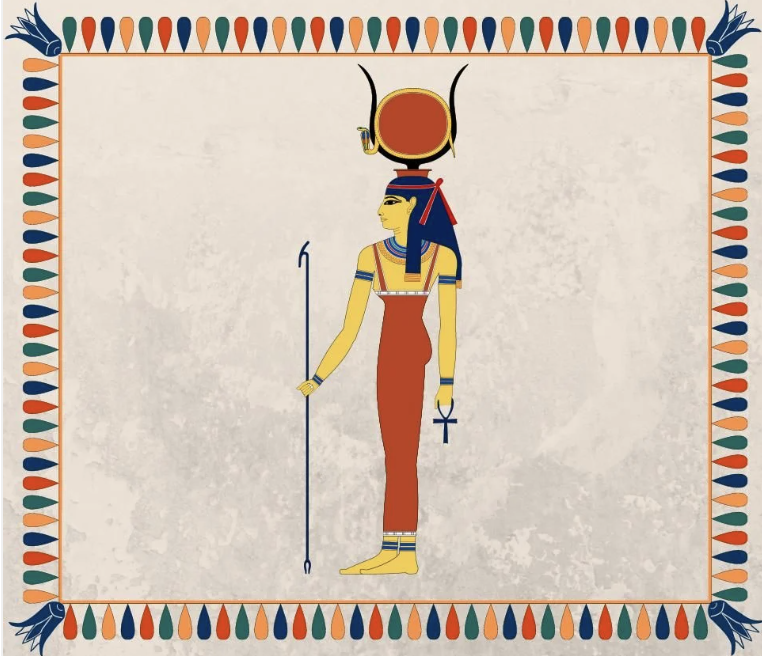
Hathor
Hathor, ancient Egyptian goddess of love, beauty, music, dance, and motherhood, is shown as a cow or a woman with cow horns cradling a sun disk. She protected women and children, patronized miners and foreign lands, and welcomed the dead. Temples at Dendera and Deir el-Medina made her a beloved, widely venerated deity.
-
![]()
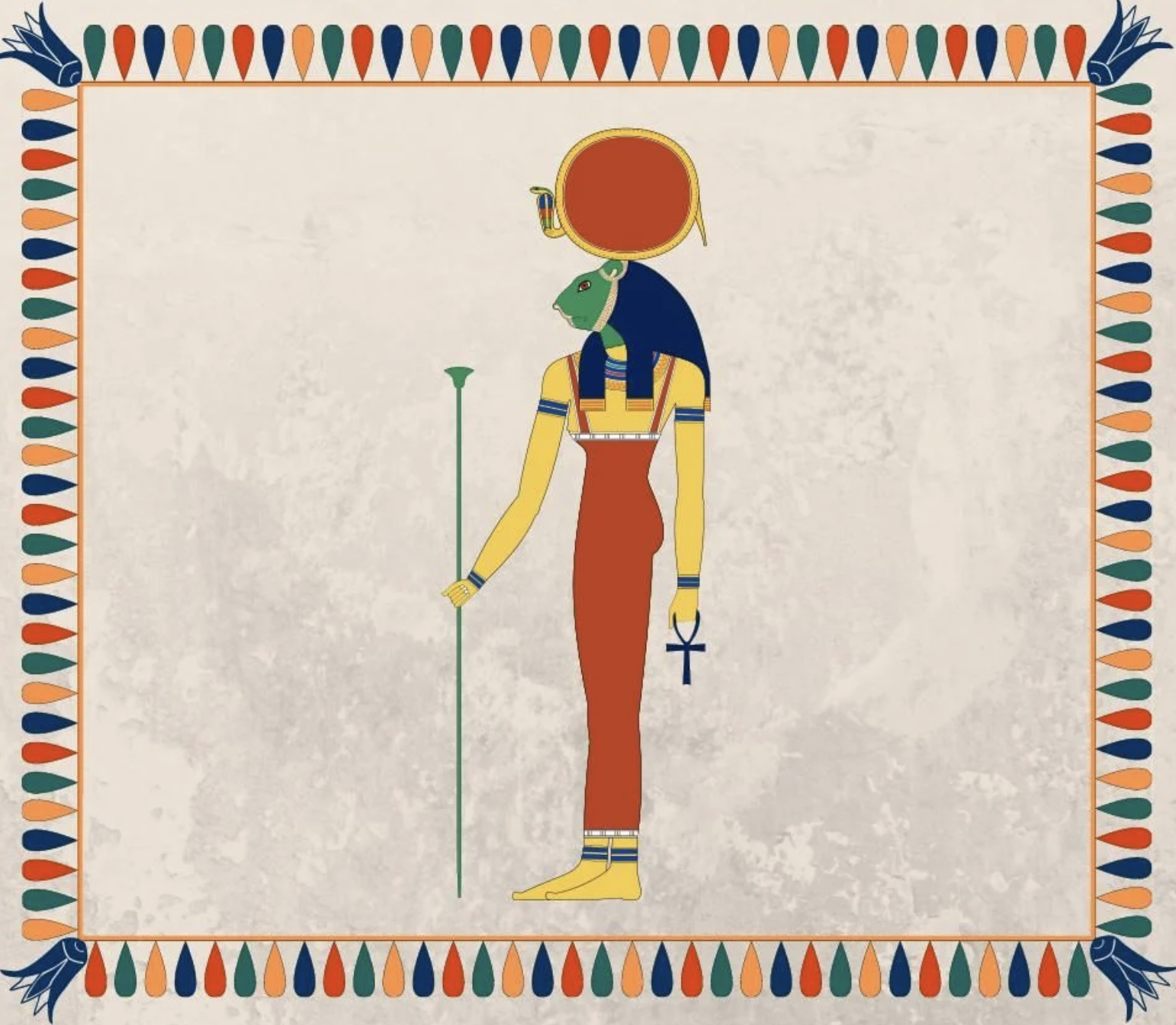
Sekhmet
Sekhmet is an ancient Egyptian lioness goddess of war, healing, and protection, feared for her destructive power and revered for her restorative, purifying role. Seen as Ra’s instrument against enemies and disease, she embodied both wrath and medicine. Worshipped from the Old Kingdom, she received temples, rituals, and priests who sought victory in battle and cures for illness.
-
![]()
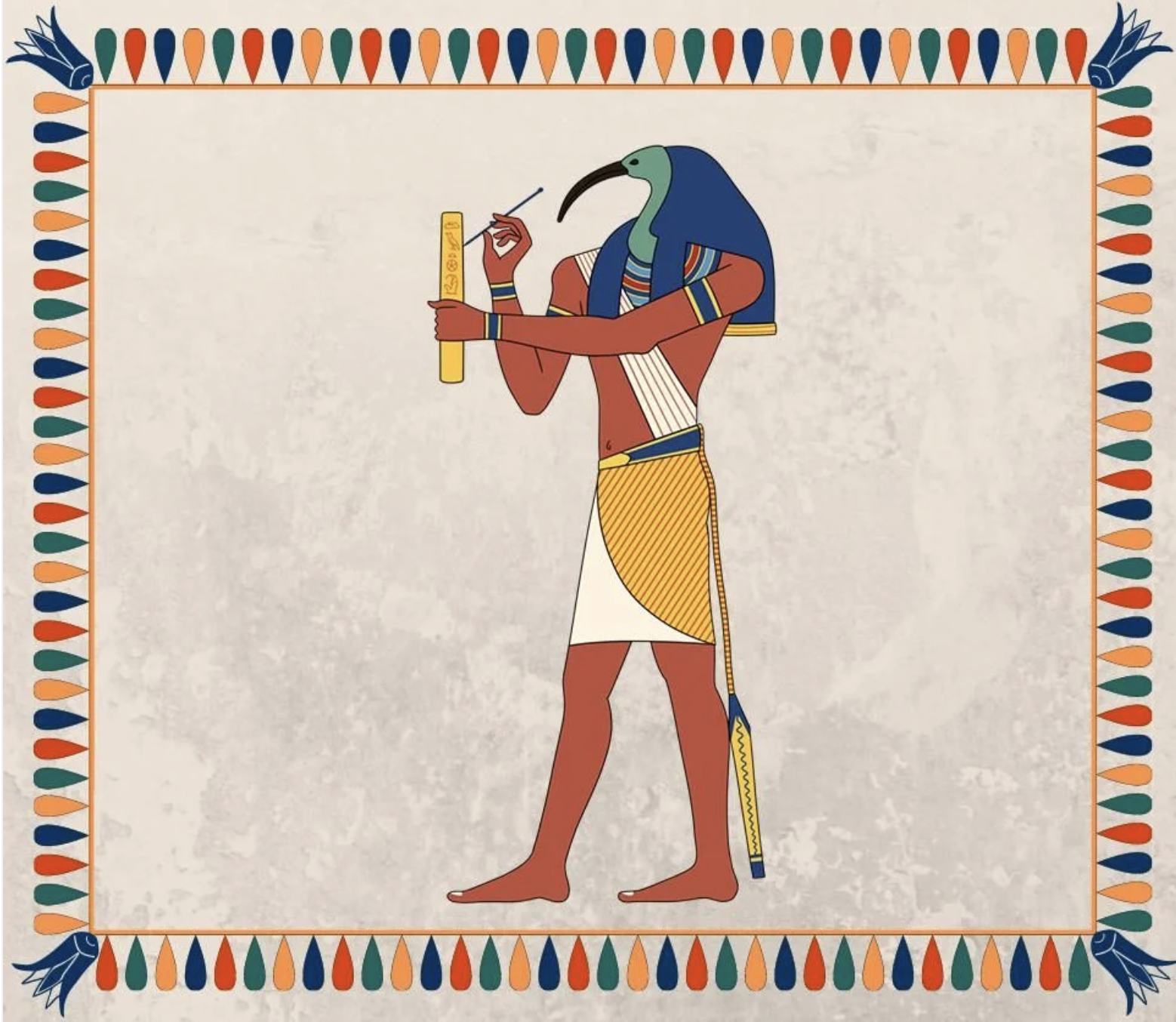
Thoth
Thoth, ancient Egyptian god of writing and wisdom, is shown with an ibis head or as a baboon. Scribe and advisor to the gods, he invented hieroglyphs, upheld ma'at, recorded the dead’s judgments, and patronized priests, scribes, science, and the moon, linking divine knowledge and human learning.
-
![]()
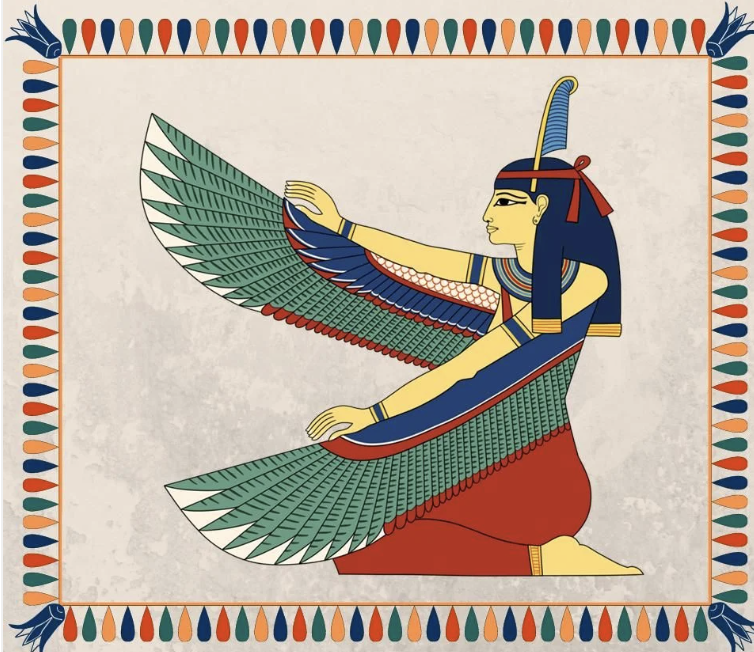
Ma'at
Ma'at, the ancient Egyptian goddess and principle of truth, balance, order, and cosmic justice, guided law, ethics, and daily life. Shown with an ostrich-feather headdress, she judged souls in the afterlife and upheld harmony among humans, gods, and nature.